By Rafmary Millan-Reyes
Cambridge is home to many of the country’s finest museums and exhibitions. In honour of #FitzFriday, we have decided to dedicate today’s blog post to the grandest of Cambridges fine collections: The Fitzwilliam Museum.
What’s to love about it?
Founded in 1816, the Fitzwilliam Museum is a listed building, boasting the same architectural stylings as the National Gallery and the British Museum in London. The museum houses the collection for the University of Cambridge, and recently celebrated their bicentennial. From ancient Egypt to modern day, the museum’s vast collection contains over half a million items that perfectly encapsulate the history and development of world art.
Regrettably, the study of the arts has long been eclipsed by the study of the sciences, which has meant that meaningful engagement with art is often woefully absent from education. Hence why, and in spite of all its grandiosity, the Fitzwilliam largely remains a hidden, national treasure waiting to be discovered.
At Cambridge Seminars College, we believe museums effectively introduce new ways of seeing and knowing. As learning occurs at a cognitive level, we have dedicated ourselves to empower young minds through facilitating immersive experiences through the five senses – which are considered the ‘gateways’ of learning. As such, our curriculum time is devoted to fostering critical thinking through regular trips to places that can provoke the imagination, introduce the unknown, and offer unique environments for interpersonal bonding at the same time. The Fitzwilliam Museum is no exception!
Our A-level Art class spent more than two hours exploring the museum, after which we talked in depth about the evolution of humanity’s consciousness of art, and how museums have gradually become a microcosm of our material, but ethereal, existence.

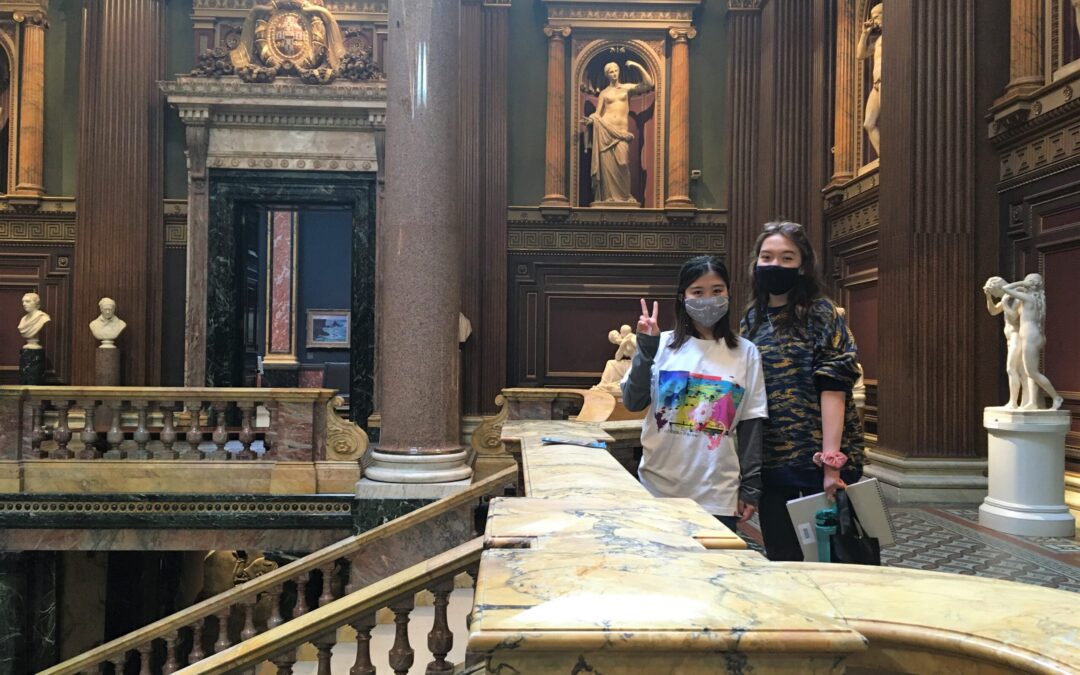
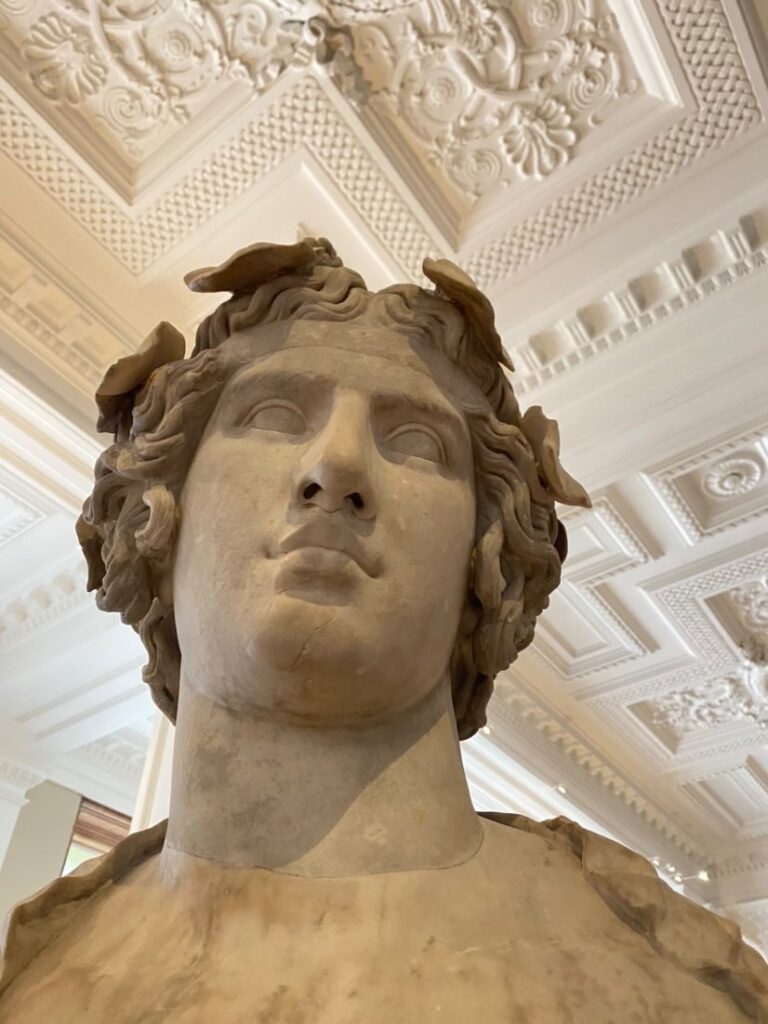
The balcony in the entry room had many impressive marble sculptures.
For example, we discussed that, while the formal “museum” did not emerge until the 18th century, the public museum came into being in the historical moment when humanity was able to consolidate a civilisational consensus on the need to maintain our heritage. Such cooperative efforts favoured ocularcentrism, which presupposed that vision is our main mode of understanding the world around us. As a result, the corresponding gaze of the viewer made out of the nascent modern museum, a source of pride, and above all, a storehouse of national inheritance.
No wonder most societies around the world trace their origin through the works of art history. Artwork no longer merely imitated nature, but became vernacularised alongside its environment. Such an embodied dialogue afforded by museums, allowed individuals to delve into the various known unknowns (and unknown unknowns!), which opened the possibility of a profound disruption: museums thus evolved from their humble, collections-centered beginnings to become actual sites of embodied memory where hands-on, multi-sensory learning environments are situated.
With this in mind, one of the greatest enigmas of our time is the role that museums will play in a post-pandemic, hyper-digitised world. Certainly, as we are entering the second wave of the second machine age, our economy is moving from manufactured goods to non-physical, digital and creative commodities. Are Western educational institutions fostering the imaginative capacity that will be necessary to compete? Do we possess the scientific humility and the cultural context to leverage this change as an asset?
An equally elusive dilemma will be the role that the museums of tomorrow will take up. In the face of the COVID-19 global pandemic, UNESCO has conducted two comprehensive global surveys to measure and ameliorate its detrimental effects on the global museum sector. Likewise the International Council of Museums has promoted the invaluable role of art in society, and by extension our intra-planetary community of museums as “third spaces” of knowledge and cultural preservation. In fact, this year’s conference, ‘the future of museums: recover and reimagine’, recognised ‘the potential of museums in facilitating our progress on the 17 Sustainable Development Goals [….] We must therefore harness the relationships between the economic, educational and various facets of museums as we prepare for a renewed cultural dialogue’.
Drawing these ideas together, whether we are scientifically minded or not, it is time to recognise what Eric Friedenwald-Fishman once said: ‘There is no approach that breaks barriers, connects across cultural differences, and engages our shared values more than arts and culture. There is no investment that connects us to each other, moves us to action, and strengthens our ability to make collective choices more than arts and culture’. Thus, the next time we are at a museum, maybe we will just stop for a moment and appreciate how much our minds (and by extension our societies, the world itself) can be transformed just by looking at art.
Happy blogging, and happy #FitzFriday y’all!
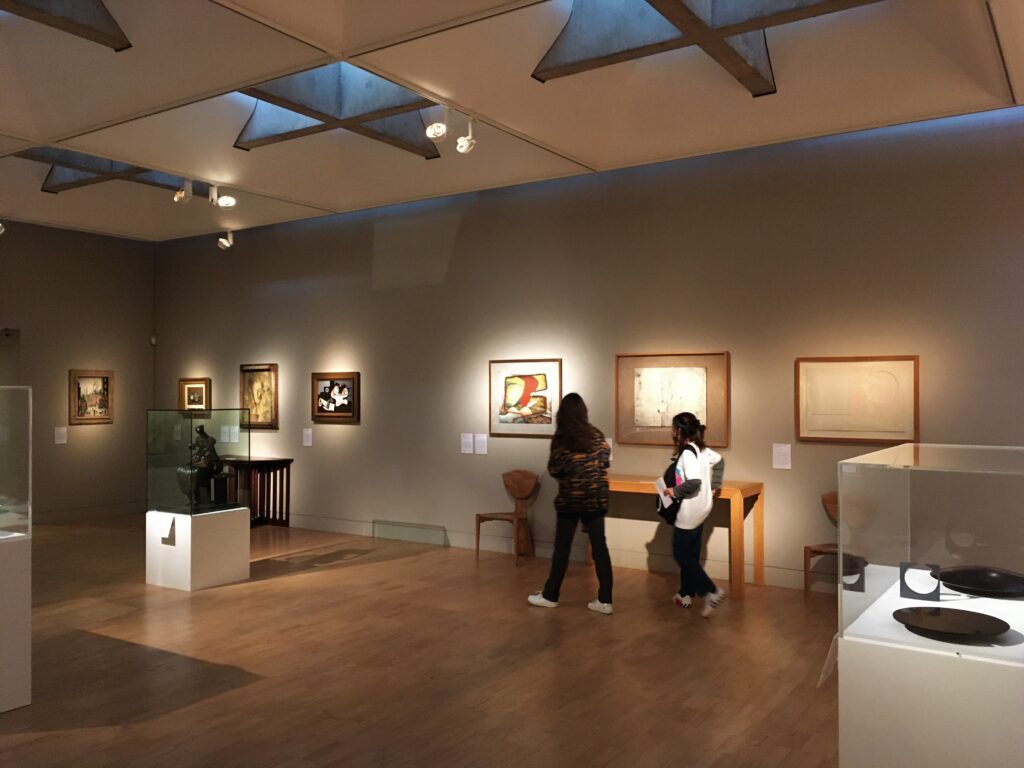
Most of the top floor was European art. A few highlights were Monet, Seurat, Cezanne and Renoir paintings.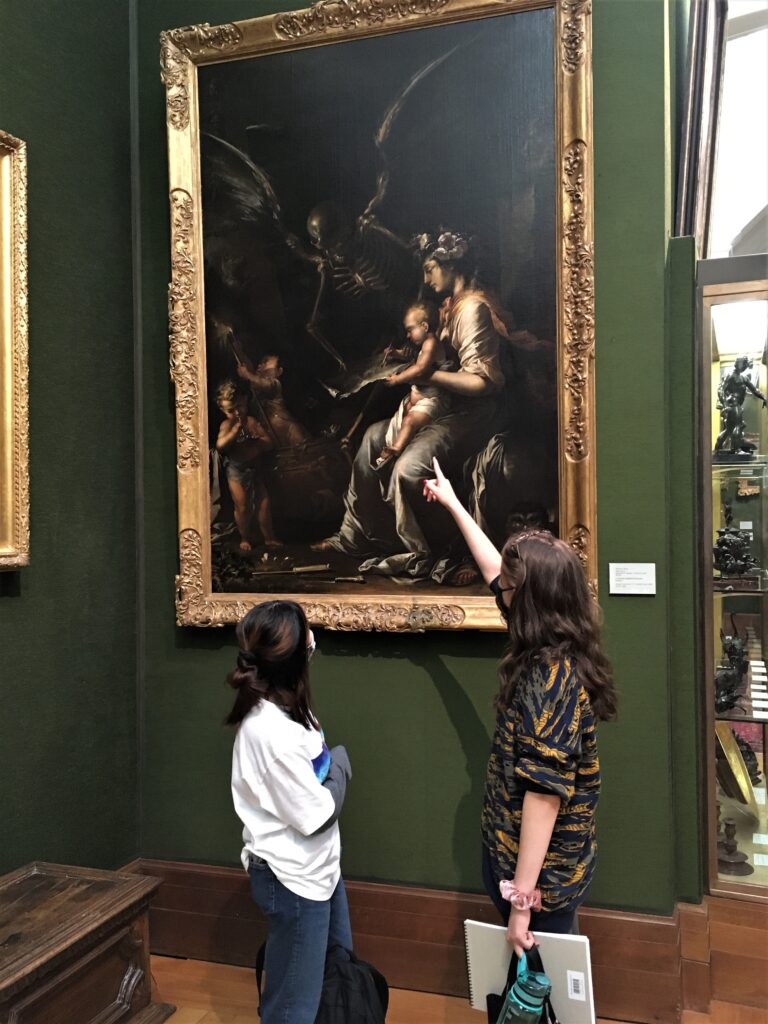
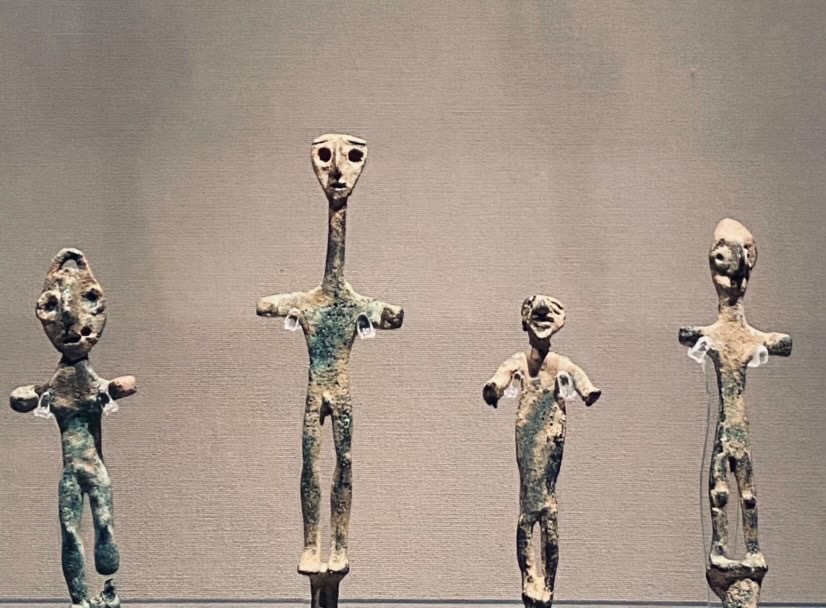
The museum’s exhibitions and displays consist of thousands of pieces, including carved African wood figurines. 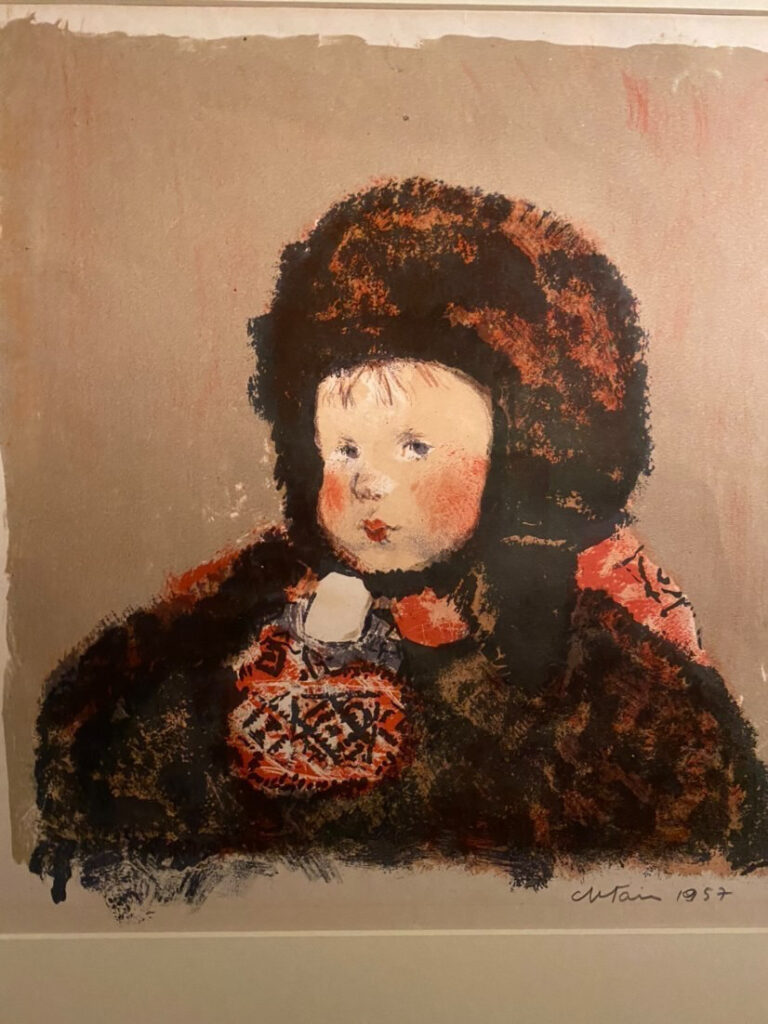
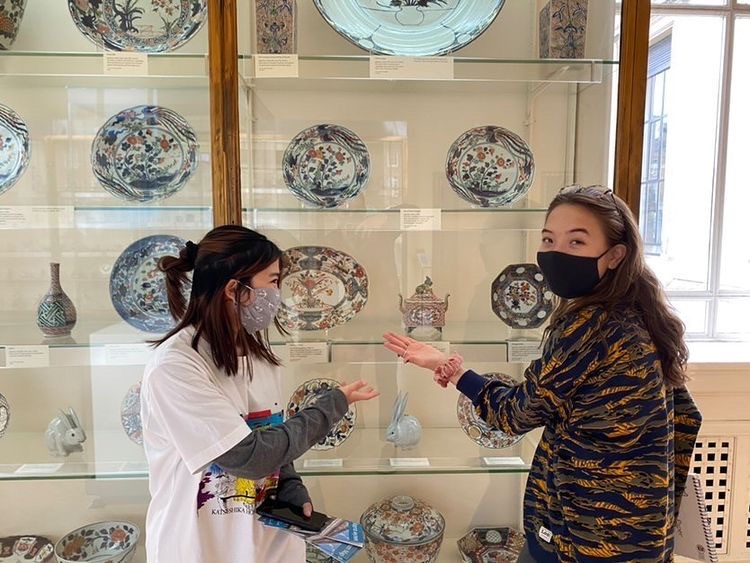
Downstairs they have an interesting collection of ceramics and rare coins.
Jean Baudrillard once said: ‘We live in a world where there is more and more information, and less and less meaning.’ My only hope is that the museums of tomorrow will create space for greater meaning and achievements.
More information:
Follow the discussion on CSC’s Instagram and Facebook.
Access the UNESCO Report: Museums around the world in the face of Covid-19Read the UNESCO Recommendation concerning the Protection and Promotion of Museums, their Diversity and their Role in Society and, of course, visit The Fitzwilliam Museum!