
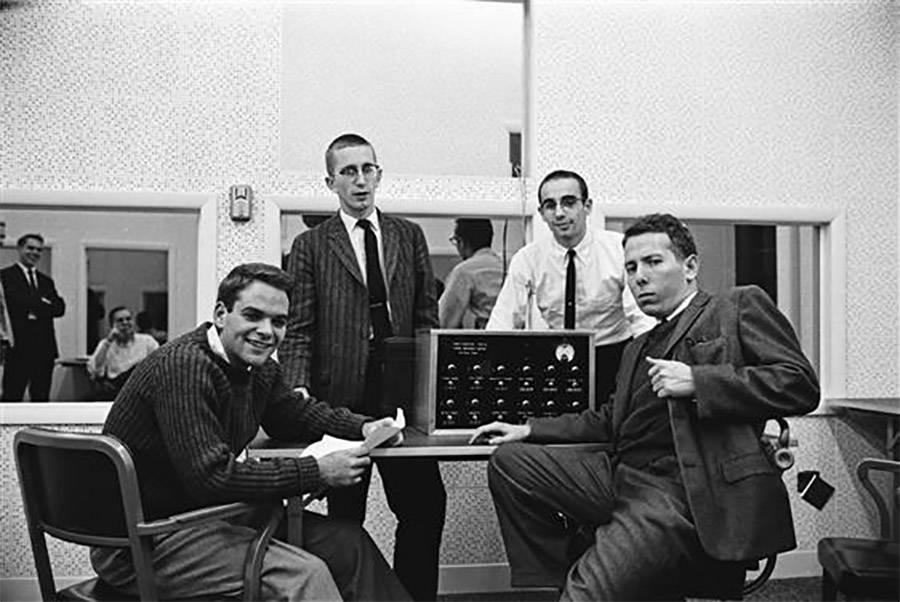
TIL that psychologists used to lie to their patients and convince them they were electrocuting innocent people!
Everything is interesting in pre-masters psychology at CSC! Last week, we began exploring ethics in psychology because this is the focus of the first essay assignment. It was so interesting to research Milgram’s experiment (1963), which focused on investigating obedience to authority. Did you know that Milgram lied to his participants?
The participants assigned to the role of ‘teacher’ thought that they were being ordered to give electric shocks to other participants (learners) for giving wrong answers to a word pair task. However, the shocks were not real and the ‘learners’ were actors. The infamous study is considered as unethical because participants were lied to and exposed to psychological harm during the experiment. Milgram concluded that people will obey authoritative instructions, even if it goes against their personal conscience.
The study explores reasons for extreme obedience to authority, such as acts of genocide. Milligram’s experiment, along with other unethical studies, has informed psychologists in terms of ethical conduct. It is important that psychological research is informed, voluntary, honest, responsible and confidential; participants should be protected from any type of harm when contributing to psychological research. Furthermore, ethical conduct reflects the standards and reputation of psychologists and their work.